

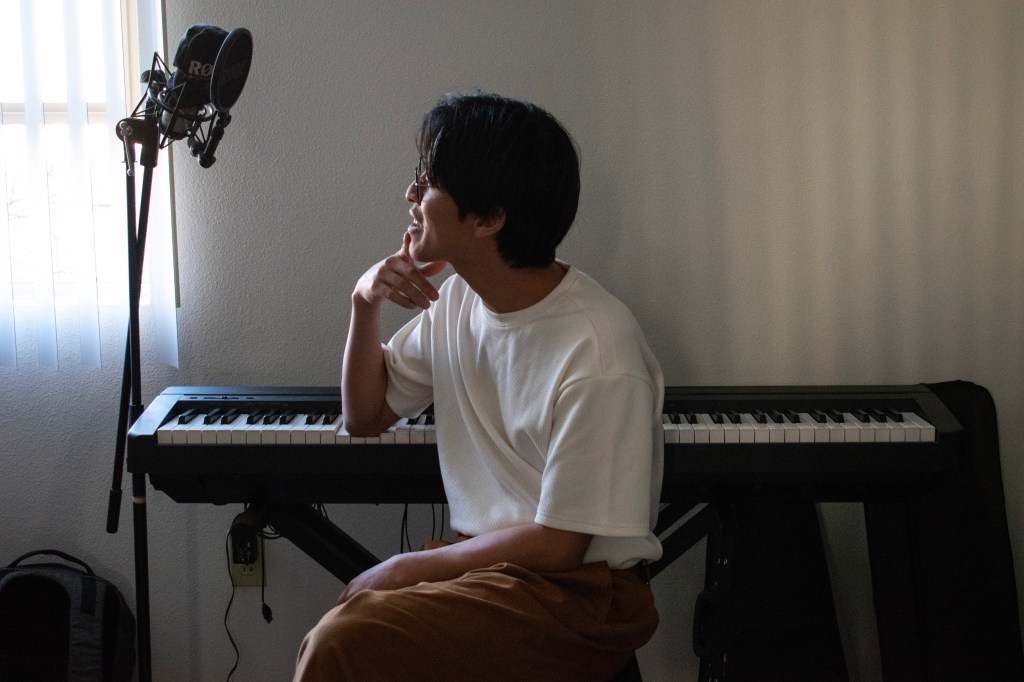
Aaron Gozum is an independent singer-songwriter and self-taught audio producer. They have recorded three full-length albums, four singles, and a holiday EP, which are all available on Spotify, Apple Music, YouTube Music, and other streaming services. His days in choir, band, and musical theatre and his experiences living in California and New York as a queer person of color have shaped his songwriting into a creative process of storytelling, healing, and dreaming of how we might live otherwise.
Aaron’s Creative Process
“Poetry is the way we help give name to the nameless so it can be thought. The farthest external horizons of our hopes and fears are cobbled by our poems, carved from the rock experiences of our daily lives.”
— Audre Lorde
The word poetry comes from the ancient Greek verb poiein, meaning to make or to compose, which touches on the idea of a poem as a crafted creation or composition. The root word poiein traveled through the Latin word poesis meaning a production that brings something into being or existence and Old French words like poesie meaning poetry before entering Middle English in the late 14th century as poetrie or poetrye. Meanwhile, the word music originates from the Ancient Greek word mousikē or μουσική, which means “art of the Muses.” In Greek mythology, the Muses were known as the nine Greek goddesses of literature, science, and the arts. The term mousikē signified a broader notion of artistic and intellectual expression, which encompassed not only music, but also poetry and other art forms. The word mousikē passed into Latin as musica, then into Old French as musique, and finally arrived in English as music. The etymological intimacies of poetry and music gesture to how Aaron relates to Audre Lorde’s passionate defense of poetry as not a mere luxury but “the way we help give name to the nameless so it can be thought.”
Informed by their lived experiences as a queer, second-generation Filipinx-American, Aaron’s creative musical practice therefore might be akin to what Audre Lorde calls “a distillation of experience,” or a sonic precipitation of what Raymond Williams refers to as “a structure of feeling.” From vocal performance, to songwriting, to audio production, Aaron tunes into music as a queer form of (re)organizing the harmonies, dissonances, and symphonies of everyday life amidst histories of colonialism, racism, and cisheteropatriarchy so that we may sound out alternative ways of living and being in the world that are more just, caring, and pleasurable. He explores musicality not only in the form of instruments and “music,” but also in the noise and ambience of honks and chatter, in protest, in love-making, in cleaning, in traveling, in every nook and cranny of the home we call earth. When they make music, he tries to embrace not just what we have deemed musically beautiful, but also the musicality of mess—from the dissonance of beauty and ugliness, to affective harmonies of joy and melancholy, to rhythmic flows between the not-enough and the too-much. In all, Aaron aims to sound out a poetic precipitation of the preciousness of life and our place in the mysterious solution we call the world.
Heartstrings
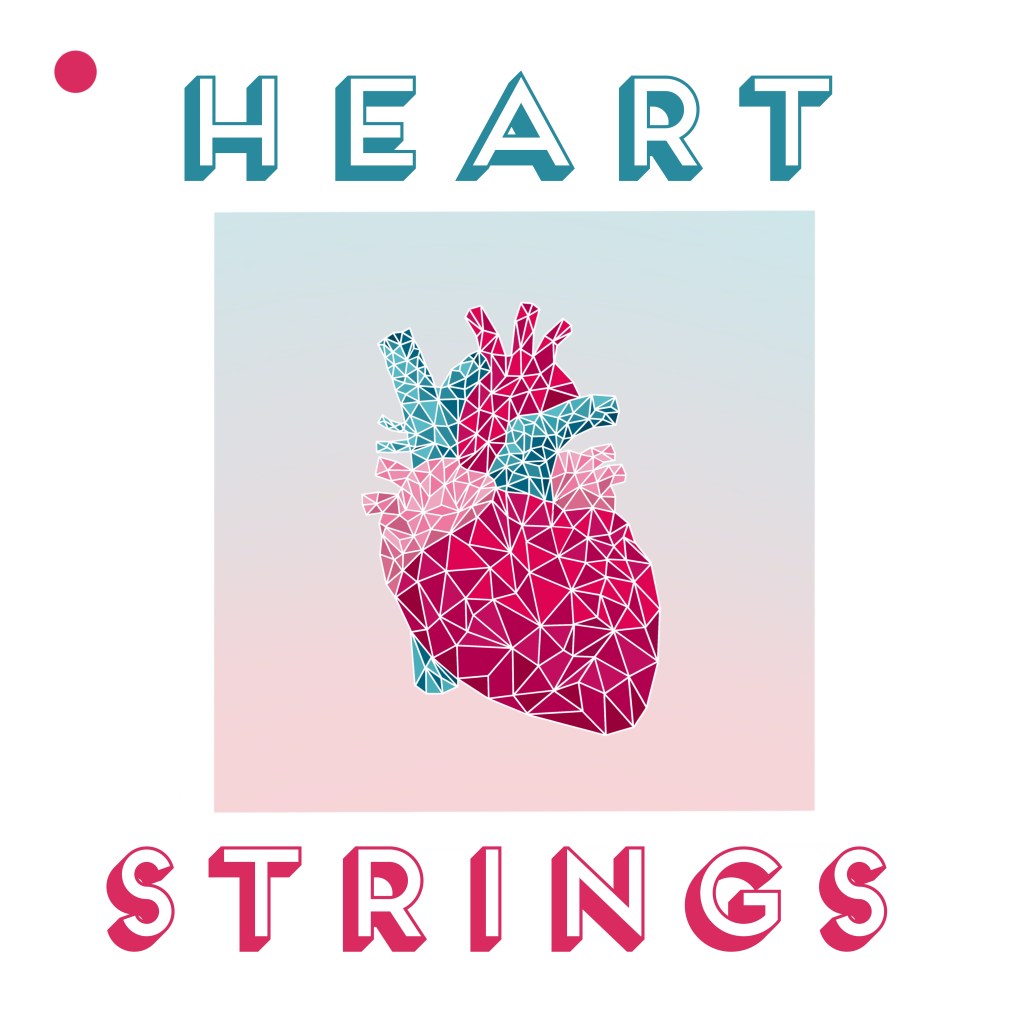
In coming to terms with his own sexual queerness, Aaron released his first album, Heartstrings, in 2018, which brought together a collection of songs that provide a glimpse of what love looks like from the perspective of one queer person of color. As someone who grew up singing in choirs, rock bands, theatre, and even in their lolo and lola’s living room with a karaoke machine, he drew much of his inspiration for this album from his creative experiences in order to navigate questions of sexual orientation and identity. In this self-discovery process, each song resembles their struggle of coming up against the limited horizons of love as it is generally conceived. Taking the self as a “work of art,” the music opens ways of listening to those horizons through repetitive melodies that cyclically return to the scene of creation, like a musical theatrical reprise, where one must continuously reexamine whether the parts and conditions we call “I” continue to define the “self.”
“Music can’t topple regimes, break chains, or stop bullets. But it can keep us alive. Music can always surprise us, be unpredictable, refuse to submit to what is put upon it. Music can always sound different from one listening moment to another, and mean radically different things to all who hear it.”
— Josh Kun
Apollo’s Refuge
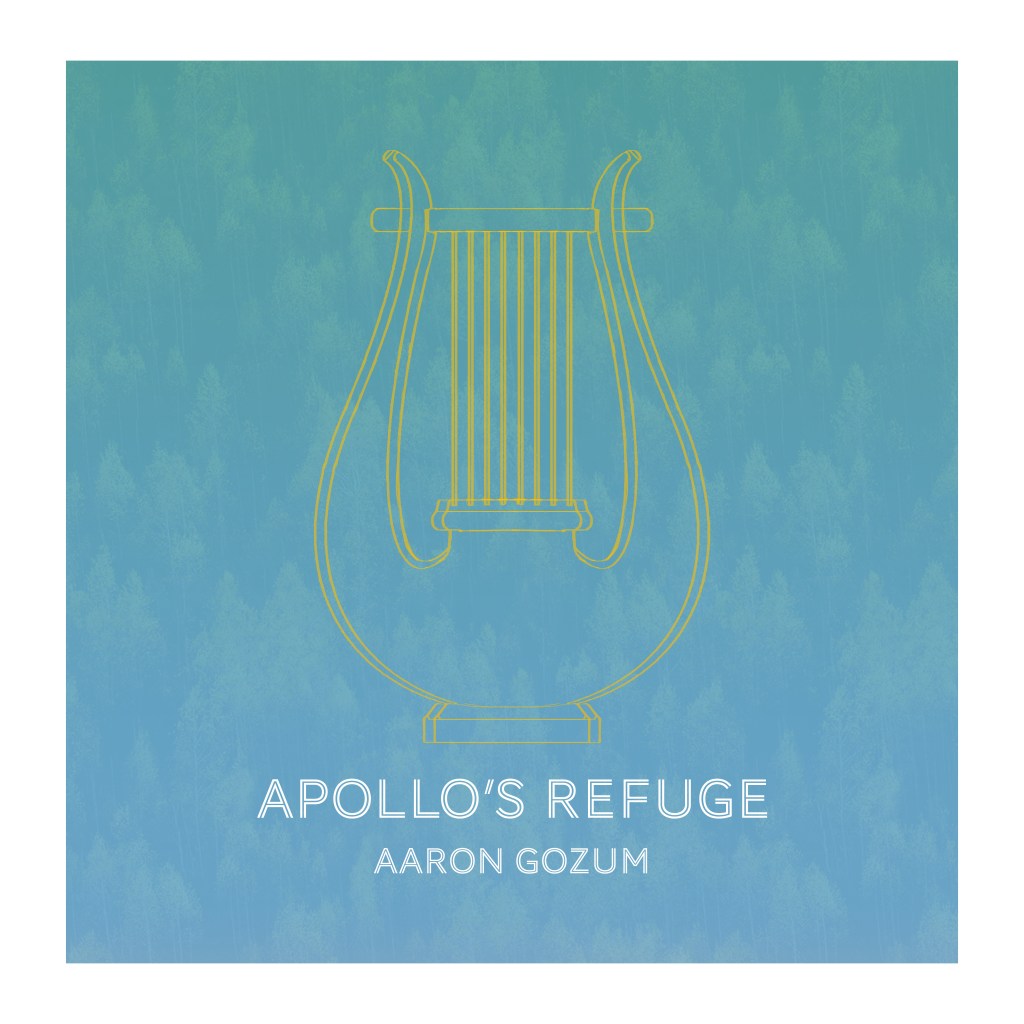
To continue thinking about the conditions of his being, becoming, and belonging as a musical work of art, he has since then found music to be at the heart of how he relates to others as a queer Filipino American singer-songwriter crafting unspoken narratives through music, but also as an activist supporting his community in the Filipino diaspora through their struggles of displacement and dislocation and as a communication researcher seeking to understand how the world is made to mean and rendered as something to be knowable. As the second addition to their creative pursuits, Apollo’s Refuge grew from the aching anxieties, angst, and agony of 2020. This album largely asks the question: what kind of life do we really want to live? When he started working on this album, they were largely guided by Audre Lorde’s essay Poetry is Not a Luxury, in which she says, “Poetry is the way we help give name to the nameless so it can be thought.” For Aaron, songwriting is similarly an introspective medium through which he crafts combinations of the old and forgotten to open reimagined ways of seeing the world. It is an affective way of creatively resisting what is, embracing instinct, and creating a vocabulary for the heartbreak many of us know too well. Admittedly, Aaron initially carved an isolated island for himself to close out the terrible pandemic plastered in political pandemonium. But bearing witness to the moving response of protestors taking to the streets for the Black Lives Matter movement despite the risks it posed to their health and well-being made him think more deeply about the relation between care and vulnerability, about what world he wanted to live in, and about how their music can help them think through this.
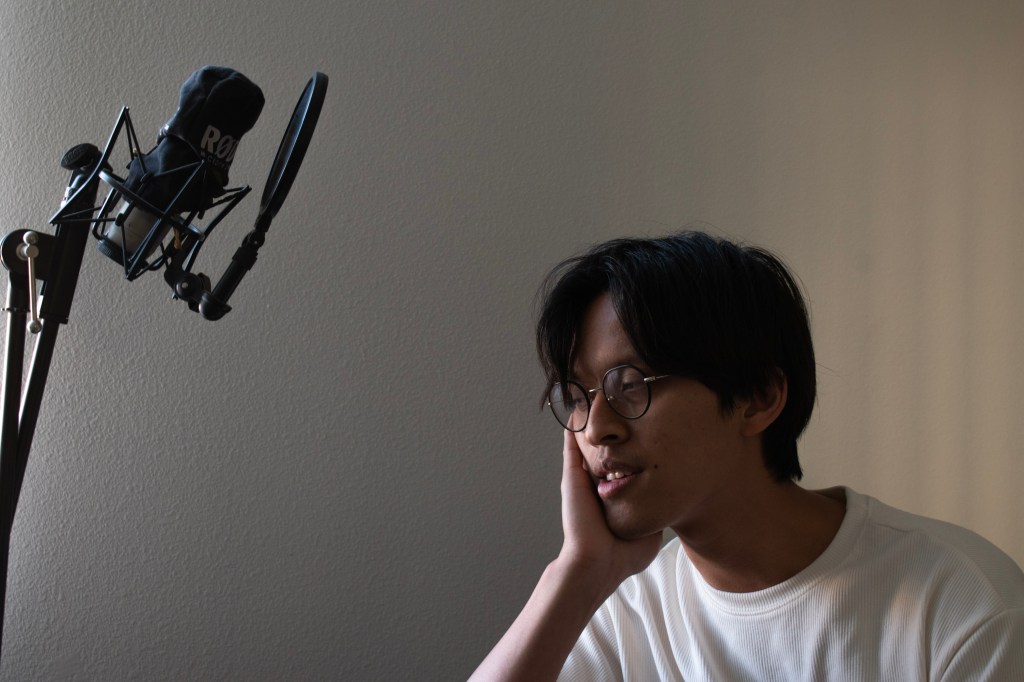
He then searched for a way to grapple with his fears and feelings of alienation during the pandemic, the everyday failures of nation-states and the global empire of capitalism, and the struggles to survive in these times. And he returned to music which has always been that source of solace for him and decided to build a collaborative musical refuge for those who feel lost, afraid, or in need of a place to rest in these times of chaos. Conjuring allegories of Greek mythology, Aaron composed love letters for friends, family, colleagues, acquaintances, strangers, past lovers, and all those in between who have been hurt by loss, oppression, trauma, and loneliness. Invoking the musical and healing powers of Apollo and Asclepius, the stories Aaron articulates through songwriting are designed to offer avenues of connection, refuge, resilience, and glimmers of hope despite the violence, oppression and alienation we endure. Sonically painting imagery of water, islands, and ships, they sing to tell the stories of how their experiences, vulnerabilities, and insecurities as a queer person of color have inspired them to be more compassionate, empathetic, and loving, all of which he hopes to extend to others as a way to relate, find refuge and remind others that we’re not alone as we find ways to live, survive and thrive amidst the chaos of imperial war, capitalist disposability and life-threatening pandemics.
A Sunflower Archipelago
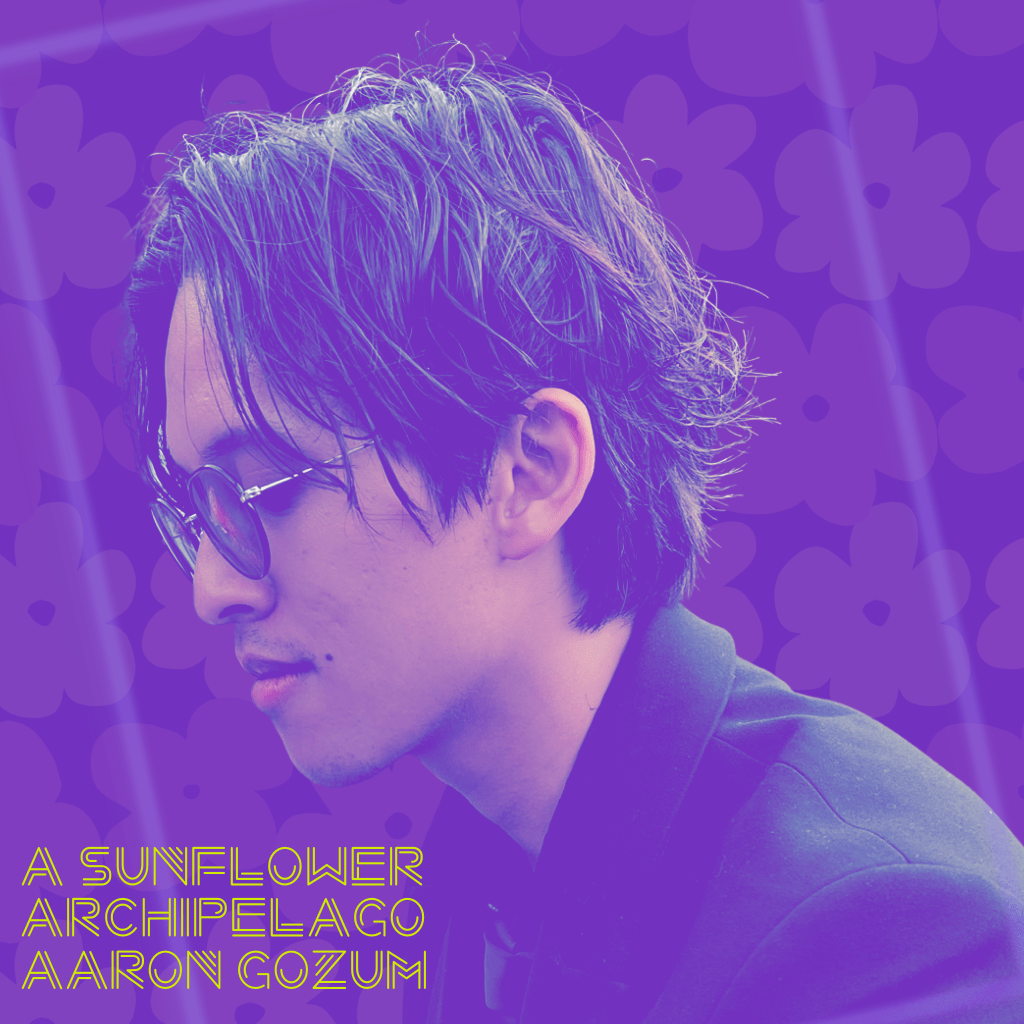
His most recent album, A Sunflower Archipelago, documents different stories and struggles across the Filipino diaspora. Reflecting on the relationship between freedom and control, the album draws its inspirations from sunflowers, which are said to have the capacity to communicate and collaborate with each other through their root systems in order to share nutrients, according to a team of researchers at the University of Alberta. On the contrary, it is said that sunflowers can also turn on each other and hog sunlight and resources, depending on its environmental conditions. Staying with the troubling dynamics of how conditions of freedom and control are created, A Sunflower Archipelago pairs sunflowers with archipelago for two reasons. In one way, the use of the archipelago is a nod to the Philippine archipelago and its network of linguistic and cultural diversity. In another sense, Aaron draws on Édouard Glissant who conceives of the archipelago (rather than a world of nations) as a poetic image of the world in which we are all connected yet remain distinct—how identity is formed through a relation to the other, with difference. Together, this idea of a sunflower archipelago emphasizes the problems that arise when we are restricted to limited ways of relating to one another. This album then provokes the need to wander and find new ways of relationality, as well as attend to the contexts and conditions that make new forms of relationality possible. Aaron imagines then these stories-in-song as an intersectional solidarity series that tries to assemble an ensemble of struggles for survival. The album’s design was inspired by the ornate details and embellishments of the Baroque era and takes an unconventional approach on the Baroque concerto. His inspiration comes from singing Baroque-era arias in choir but also from the words of Saidiya Hartman, “Beauty is not a luxury; rather it is a way of creating possibility in the space of enclosure, a radical art of subsistence, an embrace of our terribleness, a transfiguration of the given. It is a will to adorn, a proclivity for the baroque, and the love of too much.” The album might be interpreted as a series of three movements, or what might also be understood as three actively changing islands within this album’s archipelago. In each island movement, there are five songs that tell different stories of struggle. Each set of five songs are thematically structured not just as a series of stories that seed the foundational bed for making new connections across them possible, but also in its placement in relation to other songs in similar positions in other movements. For example, Satellite, Halo-Halo and Dear Angelo could be interpreted as three stories that speak to racial violence and its infringement on freedom in different places, spaces and times.

Aaron’s current musical project is tentatively named after Adrienne Rich’s poem “Diving into the Wreck” (1973). In a post for the Pew Center for Arts & Heritage, Ashon Crawley writes, “Queer sound is about the opening of oneself to pleasure however it may come.” In an aesthetic analysis of Diane Paragas’ Yellow Rose (2019), Casey Mecija further proposes that queer sound is “a material and affective register that carries the capacity for feeling something in excess of expectation and predictability.” Akin to Adrienne Rich’s “Diving into the Wreck,” this music album aims to grapple with how queerness can open us to pleasures and relations, beyond the “book of myths,” which may be more just, collective, and humane. His hope is that publicly accessible musical “distillations” of queer and trans Filipinx experience may help us imagine how to live otherwise in the face of the global growth of authoritarianism in the U.S., the Philippines, and beyond. But also, while they seek to use music in this project as a means of cobbling together “the farthest external horizons of our hopes and fears” as they have been carved from “the rock experiences of our daily lives,” Aaron is also contending with the aesthetic as a possible cover that can protect queer and trans rights to opacity and unintelligibility in the face of the “trap door” of visibility that forces queer and trans life to conform to dominant bodily norms.
You can find Aaron’s music on most streaming services including Spotify, Apple Music, and YouTube.
“Beauty is not a luxury; rather it is a way of creating possibility in the space of enclosure, a radical art of subsistence, an embrace of our terribleness, a transfiguration of the given. It is a will to adorn, a proclivity for the baroque, and the love of too much.”
— Saidiya Hartman
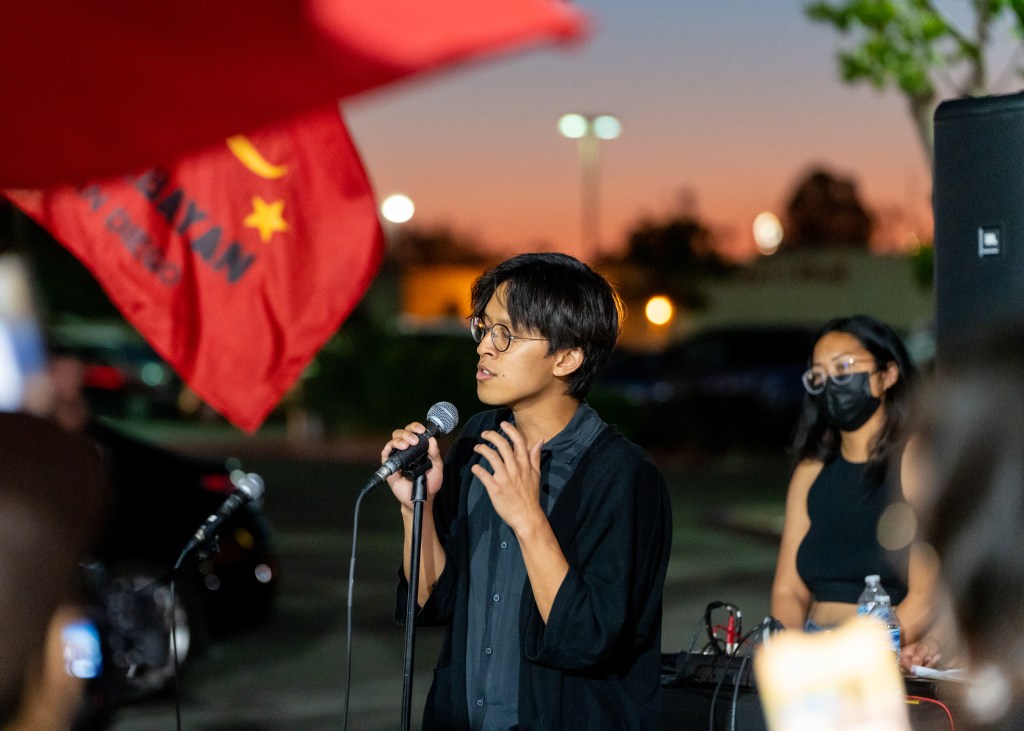
 aaron gozum